Upholstered furniture can make a room feel comfortable and inviting, but sofas, chairs, loveseats, and fabric cushions can collect more dirt and odors than you may realize. Dust, food crumbs, body oils, pet hair, spills, and everyday use can work deep into the fabric. Over time, these contaminants can leave furniture looking dull and smelling unpleasant. Regular upholstered furniture cleaning can help protect the fabric and make your furniture feel fresh again. The good news is that many common dirt and odor problems can be addressed with the right cleaning methods and careful maintenance.
Why Upholstered Furniture Gets Dirty and Smelly
Furniture fabric is exposed to daily activity, so it naturally collects contaminants. Every time someone sits on a sofa or chair, skin oils, sweat, dust, and small particles can transfer to the upholstery. Pets can add hair, dander, muddy paw marks, and odors. Food and drinks can also leave behind stains and residue that become harder to remove when they are ignored.
Odors can be especially difficult because they may not stay on the surface. Smoke, pet accidents, spilled beverages, and body odors can penetrate the fabric padding. Simply spraying an air freshener may cover the smell temporarily, but it does not address the material causing the odor. Effective furniture odor removal requires cleaning the affected areas instead of only masking the smell.
Start by Checking the Furniture Fabric
Before you try to remove dirt from upholstered furniture, check the manufacturer’s cleaning instructions. Many upholstered pieces have a cleaning code attached underneath a cushion or on the furniture frame. These codes indicate which cleaning methods are considered suitable for the fabric.Some materials can tolerate water based cleaning, while others may require solvent based products or professional care.
Using too much water on a sensitive fabric can cause discoloration, shrinking, water marks, or damage to the backing. If the furniture has no care label or you are unsure about the material, testing a small hidden area first is a smart step.
Vacuum the Upholstery Thoroughly
Vacuuming should be the first step in most furniture cleaning routines. Use an upholstery attachment to remove loose dust, crumbs, hair, and dirt from the surface. Pay close attention to seams, corners, cushions, and areas underneath removable cushions.
Slow vacuuming is more effective than quickly moving the attachment across the fabric. Dirt can settle deep between the fibers, especially in furniture that receives frequent use. Regular vacuuming also helps prevent loose particles from becoming embedded during later cleaning.
If you have pets, vacuuming may need to be done more frequently. Removing pet hair and dander before deeper cleaning can make the overall process more effective and reduce the buildup that contributes to unpleasant smells.
Treat Stains Before Deep Cleaning
Old stains often require attention before the entire piece is cleaned. Blot fresh spills with a clean, absorbent cloth instead of rubbing them into the fabric. Rubbing can spread the liquid and push it deeper into the upholstery.
For an existing stain, choose a cleaning product that is appropriate for the fabric. Apply a small amount to an inconspicuous area first. If there is no discoloration or damage, follow the product instructions and gently work on the stain.
Avoid combining different cleaning chemicals. Some combinations can damage upholstery or create harmful fumes. When a stain has penetrated deeply or continues to return after cleaning, a furniture cleaning service may be a better option than repeated home treatments.
How to Remove Odors From Upholstery
When you need to remove odors from upholstery, identifying the source is important. A general musty smell may come from accumulated moisture, dust, or poor ventilation. Pet odors may come from urine or other organic material that has reached the padding. Smoke odors can also penetrate deeply into fabric and cushions.
For light surface odors, thorough vacuuming and proper ventilation may help. Removable cushion covers should be cleaned according to their care instructions. Baking soda is sometimes used for mild odors, but it should be handled carefully and vacuumed thoroughly afterward. It should not be treated as a solution for deep contamination.
For stronger smells, surface treatment may not be enough. Upholstery odor removal often requires deeper cleaning that reaches the affected fibers and padding. If the odor keeps returning after several cleaning attempts, the source may be deeper inside the furniture.
Be Careful With Moisture
One of the most common mistakes people make when cleaning upholstery is using too much water. Fabric may appear clean while wet, but excessive moisture can create additional problems. Overwetting can lead to slow drying, water stains, discoloration, mildew growth, and damage to internal materials.
Use only the amount of moisture recommended for the specific fabric and cleaning method. After cleaning, provide good airflow around the furniture. Open windows when weather allows, use fans, and avoid placing cushions back on the furniture until they are completely dry.
If furniture has already absorbed a significant amount of moisture, professional attention may help prevent lingering odors and other problems.
When Deep Upholstery Cleaning Makes Sense
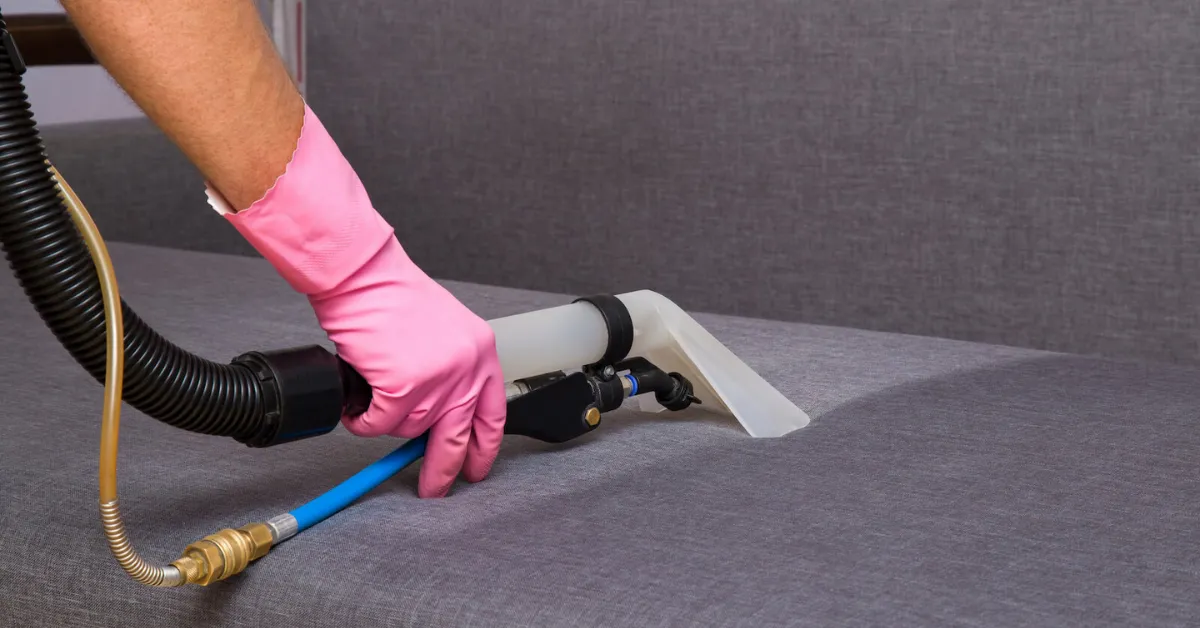
Routine vacuuming and spot treatment are useful for everyday maintenance, but they cannot always reach dirt that has settled deep into upholstery. Deep upholstery cleaning is helpful when furniture has heavy soil, persistent odors, multiple stains, or years of accumulated debris.
A deeper cleaning process can remove contaminants that ordinary vacuuming leaves behind. It can also improve the appearance of fabric that has become dull from regular use. The exact cleaning method should depend on the upholstery material, condition, and manufacturer’s recommendations.
For households with pets, children, smokers, or frequent visitors, periodic deep cleaning can be especially useful. It can help keep furniture cleaner between routine maintenance sessions.
When to Hire a Furniture Cleaning Service
There are situations where trying to clean furniture yourself may create more problems than it solves. Delicate fabrics, large stains, strong odors, heavily soiled cushions, and difficult-to-identify materials can all make DIY cleaning challenging.
A furniture cleaning service can assess the fabric and determine an appropriate cleaning approach. This is particularly useful when you are dealing with odors that have penetrated beneath the surface or stains that have been present for a long time.
A-1 Fresh & Clean Carpet Service, LLC can help homeowners address upholstery that needs more than basic surface cleaning. Proper cleaning can improve the appearance of frequently used furniture while helping remove dirt and unwanted odors.
How to Keep Upholstered Furniture Cleaner
Once your furniture has been cleaned, simple habits can help maintain the results. Vacuum upholstery regularly, especially if you have pets. Clean spills as soon as possible before they have time to soak into the fabric. Avoid eating messy foods directly over upholstered furniture when possible.
Rotate and rearrange removable cushions when the furniture allows it. This can help distribute normal wear more evenly. Keep furniture away from excessive moisture and provide proper ventilation in rooms where odors tend to develop.
Scheduling periodic professional upholstery cleaning can also help control accumulated dirt. Regular care is generally easier than waiting until furniture has heavy stains and strong odors.
Why Professional Upholstery Cleaning Can Help
DIY cleaning can handle some everyday messes, but professional upholstery cleaning can be useful when dirt, stains, and odors have become difficult to manage. The right process can target areas that household vacuuming cannot reach and reduce the risk of damaging the fabric through improper cleaning.
Professional cleaning is also helpful when you are unsure which products are safe for your furniture. Using the wrong cleaner can cause permanent discoloration or leave behind residue that attracts more dirt. A careful cleaning approach focuses on the fabric type, level of soiling, and specific problem areas.
A-1 Fresh & Clean Carpet Service, LLC provides cleaning help for furniture that needs attention beyond routine maintenance. Taking care of upholstery regularly can help extend its usable life and keep living spaces more comfortable.
Common Upholstery Cleaning Mistakes to Avoid
Avoid soaking the furniture, scrubbing stains aggressively, or using household chemicals without checking whether they are suitable for the fabric. These methods can spread stains, damage fibers, and leave behind moisture or residue.
Another common mistake is ignoring the source of an odor. Spraying fragrance over a contaminated area may make the room smell better temporarily, but the underlying problem can remain. Effective furniture odor removal focuses on cleaning the material responsible for the smell.
It is also important not to skip the drying process. Furniture should have enough airflow after cleaning so moisture does not remain trapped inside the fabric or padding.
Frequently Asked Questions
How often should upholstered furniture be cleaned?
Most upholstered furniture benefits from regular vacuuming and occasional deeper cleaning. The ideal schedule depends on usage, pets, children, spills, and the type of fabric. Furniture used every day may need more frequent cleaning.
Can baking soda remove odors from upholstery?
Baking soda may help with some light surface odors, but it cannot solve every odor problem. If a smell comes from deep inside the fabric or padding, a deeper cleaning method may be needed to address the source.
What is the best way to remove dirt from upholstered furniture?
Start by vacuuming the entire piece, including seams and underneath cushions. For deeper dirt, use a cleaning method approved for the fabric. Avoid excessive moisture and aggressive scrubbing that could damage the upholstery.
Can professional upholstery cleaning remove pet odors?
Professional cleaning may help reduce pet odors, especially when the affected area can be properly identified and cleaned. Severe odors that have reached deep padding may require more extensive treatment.
How long does upholstered furniture take to dry?
Drying time varies based on the fabric, cleaning method, airflow, humidity, and amount of moisture used. Good ventilation and fans can help speed up drying. Furniture should be completely dry before normal use.
Why Choose A-1 Fresh & Clean Carpet Service, LLC
Dirty or smelly furniture does not always need to be replaced. The right cleaning approach can help remove accumulated dirt, stains, and unwanted odors while giving your upholstery a cleaner appearance. If your furniture needs more than routine vacuuming, A-1 Fresh & Clean Carpet Service, LLC can help. Call (803) 800-0020 to schedule service and refresh your upholstered furniture with the right cleaning care.